| % | lbkg | fermentable | ppg | L | usage | remove | |

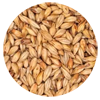
Add Extracts, Malted Grains or Other FermentablesFermentables are sugary foods that yeast eat to produce alcohol and carbon dioxide. Malted grains also play a key role in adding flavor and color to your home brew. |
|||||||
| 0 lb kg | |||||||
| oz g | variety | type | usage | time | AA | IBU | remove |
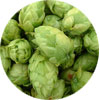
Add Hops for Bittering, Aroma and FreshnessHops are the key to balancing the sweetness of your beer. They add pleasant aromas, bitterness and aid in preserving your homebrew. |
|||||||
| 0 oz g | |||||||
| name | attenuation | remove | ||||
Add Yeast to Create Alcohol and Carbon DioxideYeast is the magic ingredient that turns flat sugary wort into the delicious alcohol filled homebrew we all love to drink. Yeast also plays an important role in the flavor of homebrew. |
||||||
| amount | unit | name | usage | remove | ||
Add Other Stuff to Enhance Flavor, Clarity and BodyThe great thing about making your own beer is that you have complete control over what goes into it. You can add various ingredients to produce numerous different results. |
||||||
| type | heat | temp °F temp °C | time | remove | |||
Add Mash Steps for Planning the Perfect ConversionIf you are an extract brewer you can ignore this step. Mashing is a simple technique in which your malted grains are soaked and the amylase enzymes from the grains convert their starch to fermentable sugars. |
|||||||
|
Enter any specific brewing steps needed to reproduce this recipe. Examples: steep specialty grains at 168F for 20 minutes, Ferment at 68F for 14 days, etc. |
||
| 1. |


|
|
| 2. |
|
|
| 3. |
|
|
|
NOTE: You can also press TAB from the last step in the list to create a new step quickly
|
||
Scaling this recipe will automatically adjust each ingredient to match the target batch size.



 Add Another Step